Massage chairs have become increasingly popular as a convenient way to relax and alleviate muscle tension at home. One of the frequently asked questions about these devices is whether they help with circulation in the legs. Improved blood circulation is essential for overall health, particularly in the lower extremities where poor circulation can lead to discomfort, swelling, and more serious conditions like varicose veins or deep vein thrombosis. Understanding how massage chairs work and their effects on leg circulation can provide valuable insight for those considering investing in one.
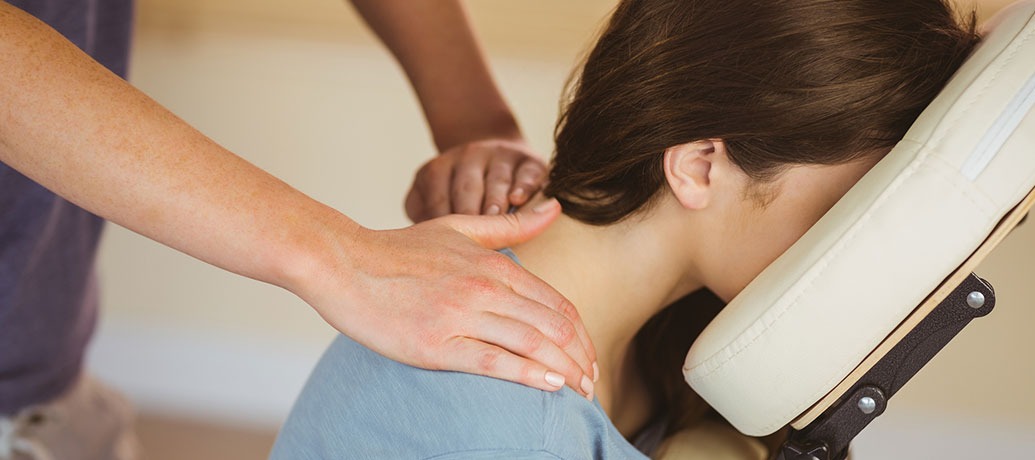
Massage chairs are designed to mimic various massage techniques such as kneading, rolling, tapping, and compression. Many models include specialized features targeting the legs and feet through airbags that inflate and deflate rhythmically or rollers that move along specific areas of the calves and soles. These actions stimulate muscles and soft tissues, which may promote blood flow by encouraging vessels to dilate and reducing muscle stiffness that can impede circulation.
When muscles contract during a massage chair reviews session, they help push stagnant blood back towards the heart-a mechanism similar to what happens during physical activity. For individuals who spend long hours sitting or standing still-common scenarios leading to poor leg circulation-massage chairs offer an alternative way to activate this natural pumping system without strenuous effort. This increased movement of blood helps deliver oxygen and nutrients more efficiently while aiding in the removal of metabolic waste products from tissues.
Several studies support the notion that mechanical massage can improve peripheral circulation temporarily. Research shows that intermittent pneumatic compression devices (similar in concept to airbags used in some massage chairs) effectively increase venous return from the legs. While direct scientific evidence specifically linking commercial massage chairs with long-term improvement in leg circulation remains limited, anecdotal reports suggest users often experience reduced feelings of heaviness or numbness after sessions.
It is important to note that while massage chairs may enhance comfort and promote better blood flow for many people, they should not be considered a substitute for medical treatment if someone has underlying vascular issues or circulatory disorders. Consulting with healthcare professionals before relying solely on such devices is advisable especially when dealing with chronic conditions like diabetes or peripheral artery disease.
In conclusion, massage chairs do offer benefits related to improving leg circulation by stimulating muscles and enhancing venous return through mechanical movements resembling manual massages. They serve as helpful tools for relaxation and temporary relief from symptoms associated with poor blood flow but should complement rather than replace comprehensive health care strategies aimed at maintaining vascular health.