Maintaining your air conditioning system to run efficiently and avoid costly repairs requires consistent care and attention throughout the year. One of the most important steps is to regularly change or clean the air filters. Dirty filters restrict airflow, forcing the system to work harder, which increases energy consumption and accelerates wear on components. It is advisable to check these filters monthly during peak usage seasons and replace them every one to three months depending on the type of filter and environmental conditions in your home.
Another key aspect involves keeping the outdoor unit free from debris such as leaves, dirt, grass clippings, and other obstructions. The condenser coil needs good airflow for proper heat exchange; when it becomes clogged or dirty, efficiency drops significantly. Gently clearing away debris around the unit and rinsing coils with a garden hose can improve performance without causing damage. However, this should be done carefully to avoid bending delicate fins.
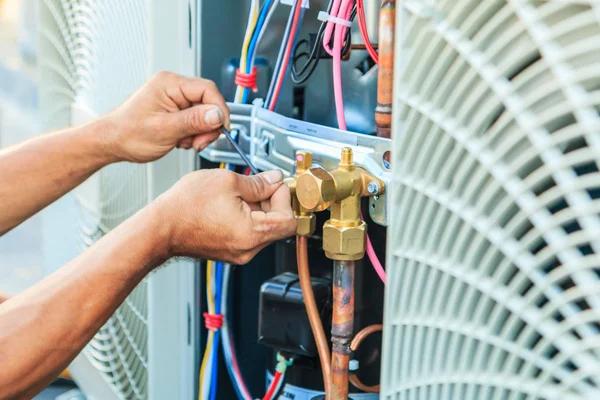
Scheduling professional maintenance at least once a year is essential for long-term reliability. A qualified technician will inspect refrigerant levels, tighten electrical connections, lubricate moving parts if needed, clean evaporator and condenser coils discover more thoroughly than typical homeowner efforts allow, and test overall system operation. Early identification of potential issues like refrigerant leaks or worn-out components can prevent breakdowns that often lead to expensive repairs.
Proper thermostat use also contributes greatly to efficient AC operation. Setting your thermostat at a reasonable temperature reduces unnecessary strain on your system while maintaining comfort indoors. Using programmable thermostats allows you to adjust settings automatically based on daily routines so that cooling isn’t wasted when no one is home or during sleeping hours.
Sealing gaps around windows and doors minimizes cool air loss from conditioned spaces, reducing how hard your air conditioner must work. Installing weather stripping or caulking cracks prevents warm outside air infiltration that undermines cooling efforts.
Avoid placing heat-generating appliances near thermostat sensors as this can cause inaccurate readings leading to overcooling cycles wasting energy unnecessarily.
Finally, ensure adequate insulation in walls and attics helps maintain indoor temperatures by limiting external heat gain during summer months.
By following these practical steps consistently-filter maintenance, outdoor unit cleaning, professional servicing schedules, smart thermostat use combined with proper sealing measures-you will keep your AC running efficiently while extending its lifespan and avoiding costly repairs down the line.