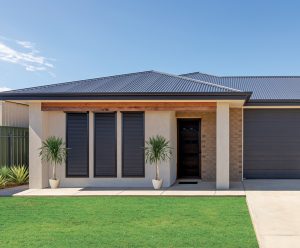
In recent years, the concept of home automation has significantly transformed the way people live, particularly in Florida where technological advancements have made smart homes increasingly popular. Comparing traditional homes to smart homes reveals distinct differences in convenience, energy efficiency, security, and overall lifestyle. Traditional homes typically rely on manual control for lighting, heating, cooling, and security systems. Residents must physically adjust thermostats or switches and monitor security through conventional means such as locks and alarm systems without integration. This setup often results in higher energy consumption due to lack of optimization and limited real-time feedback.
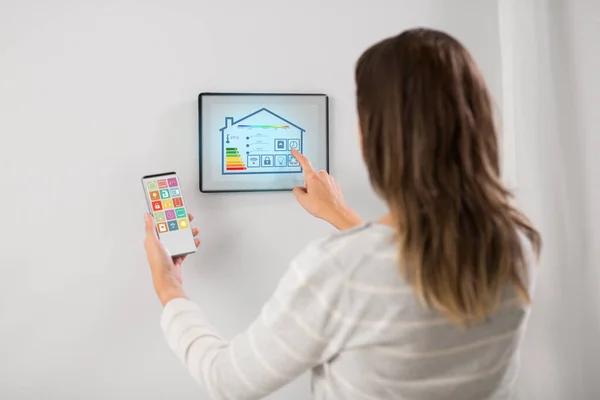
Smart homes equipped with home automation technology offer a see more streamlined experience by integrating various systems into a centralized platform accessible via smartphones or voice commands. In Florida’s climate, where temperature regulation is essential for comfort and cost savings, automated thermostats can learn residents’ schedules and preferences to maintain ideal indoor conditions while minimizing energy use. This level of control not only enhances comfort but also reduces utility bills over time compared to traditional setups that may leave devices running unnecessarily.
Security is another area where smart homes outperform their traditional counterparts. Conventional home security depends on physical locks and standalone alarms that require manual arming or disarming. Smart home systems incorporate cameras, motion sensors, doorbell alerts, and remote monitoring capabilities that provide homeowners with real-time updates regardless of location. For Florida residents who may travel frequently or manage multiple properties during hurricane season, this connectivity offers peace of mind through instant notifications about unusual activity or environmental hazards.
The installation process differs notably between the two types of homes as well. Traditional houses often have pre-existing wiring tailored for basic electrical needs but lack infrastructure designed for interconnected devices. Retrofitting these properties with modern automation tools can be complex yet feasible with professional assistance from specialized providers in Florida’s growing market for smart technologies. Newer constructions are sometimes built with integrated networking solutions from the outset to facilitate seamless adoption of advanced features.
While initial investment costs tend to be higher when converting a traditional house into a smart one due to equipment expenses and installation fees, long-term benefits include increased property value along with improved energy management and enhanced safety measures unique to automated environments.
Ultimately, choosing between a traditional home and a smart home depends on individual preferences regarding lifestyle convenience versus simplicity of operation without reliance on technology platforms. However, as home automation continues evolving rapidly within Florida’s residential sector, many homeowners find embracing these innovations worthwhile given their potential impact on daily living standards across comfort levels and operational efficiency alike.