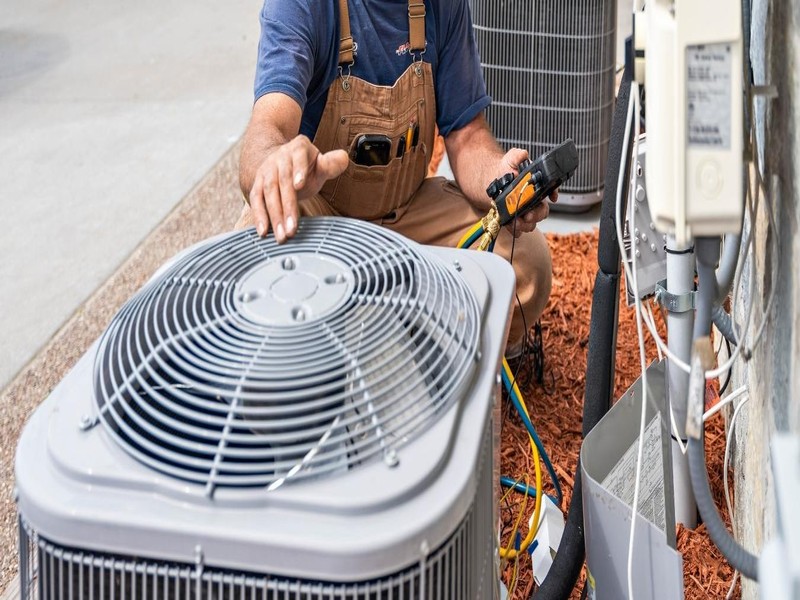
Regular air conditioning (AC) maintenance is an essential practice that can lead to significant cost savings over time. Many homeowners tend to overlook routine upkeep, assuming it is unnecessary unless the system breaks down. However, neglecting regular maintenance often results in higher energy bills, costly repairs, and shortened equipment lifespan. Consistent servicing of your AC unit ensures it operates efficiently and reliably, which ultimately saves money in the long run.
One primary way regular AC maintenance reduces expenses is by improving energy efficiency. When an air conditioner is clean and well-tuned, it uses less electricity to cool your home effectively. Dirt buildup on filters, coils, or fins forces explore the full story system to work harder than necessary, consuming more power. By cleaning or replacing these components during scheduled checkups, technicians help maintain optimal airflow and heat exchange performance. This prevents excessive energy consumption that would otherwise inflate utility bills.
Another financial benefit comes from preventing major breakdowns through early detection of potential problems. During routine inspections, professionals identify worn parts or minor issues before they escalate into expensive failures requiring emergency repairs or full component replacements. For example, a small refrigerant leak caught early can be fixed at a lower cost compared to waiting until the entire compressor fails due to inadequate cooling capacity. Addressing small concerns promptly avoids unexpected repair costs that disrupt household budgets.
Routine maintenance also extends the overall life expectancy of your air conditioning system. A well-maintained unit experiences less wear and tear because its components operate under ideal conditions without undue strain. This means you won’t need to replace the entire system as frequently as those neglected units that break down prematurely from accumulated damage over time. Delaying replacement translates directly into substantial savings since new AC systems involve considerable upfront investment.
Additionally, maintaining indoor air quality through filter changes contributes indirectly to savings by reducing health-related expenses associated with poor ventilation or allergens circulating within your living space. Clean filters ensure better air circulation while protecting sensitive internal parts from dust accumulation that could impair function.
In summary, investing in regular AC maintenance offers multiple monetary advantages including lower energy usage, reduced repair costs due to early problem detection, prolonged equipment lifespan minimizing replacement frequency and improved indoor environment quality supporting overall wellbeing-all combining for greater financial efficiency throughout your AC’s service life cycle.