
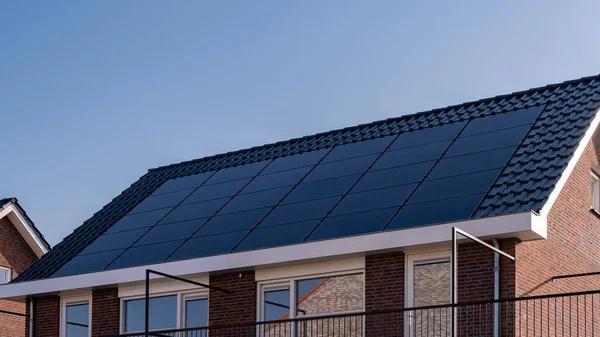
Solar panels have become an increasingly popular solution for achieving long-term energy independence, offering a sustainable and cost-effective alternative to traditional power sources. By converting sunlight into electricity, solar panels provide a renewable energy option that reduces reliance on fossil fuels and utility grids. This shift not only benefits individual households but also contributes to broader environmental goals by lowering carbon emissions and promoting cleaner air quality.
Investing in solar panels allows homeowners and businesses to generate their own electricity, which can lead to significant savings over time. Although the initial installation cost may seem substantial, technological advancements and government incentives have made solar systems more affordable than ever before. Moreover, the durability of modern solar panels means they can operate efficiently for 25 years or more with minimal maintenance. This longevity ensures that users enjoy continuous energy production well beyond the payback period of their investment.
One of the key advantages of solar panels is their ability to provide energy security during power outages or fluctuations in grid supply. When paired with battery storage systems, excess electricity generated during sunny periods can be stored for use at night or during cloudy days. This combination enhances resilience against disruptions caused by extreme weather events or infrastructure failures, making dig into it an ideal choice for those seeking reliable power sources independent of external providers.
In addition to personal benefits, widespread adoption of solar technology supports national efforts toward energy independence by reducing dependence on imported fuels. Countries investing heavily in renewable resources like solar power are better equipped to stabilize energy prices and enhance economic stability through local generation capacity. Furthermore, expanding the use of distributed generation decreases transmission losses associated with centralized power plants located far from consumption centers.
To maximize efficiency and output from solar installations, proper site assessment is essential prior to installation. Factors such as roof orientation, shading from nearby structures or trees, and regional climate conditions influence system performance significantly. Professional consultation ensures optimal panel placement and system design tailored to specific needs while complying with local regulations.
As awareness about climate change intensifies globally, adopting clean energy technologies like solar panels becomes crucial for sustainable development. Long-term energy independence achieved through these systems empowers individuals and communities alike while fostering environmental stewardship for future generations. Solar technology continues evolving rapidly; staying informed about innovations will help users make smart decisions aligned with both financial goals and ecological responsibility.
In summary, integrating solar panels represents a practical pathway toward securing stable electricity supply without relying solely on conventional utilities. Their environmental advantages coupled with economic incentives create compelling reasons for embracing this renewable resource now rather than later-ultimately paving the way toward a self-sufficient energy future grounded in sustainability principles that benefit all stakeholders involved across diverse contexts worldwide.